
Organizing a golf tournament is about much more than reserving tee times and collecting entry fees. Whether you're planning a charity fundraiser, corporate outing, member-guest event, or association championship, every detail matters. A well-organized tournament creates a memorable experience for players, keeps the day running smoothly, and encourages participants to return year after year. After working with golf tournaments of all sizes, we've identified ten key areas that consistently contribute to successful events. Whether you're planning your first tournament or looking to improve an established one, these tips can help.
Whether you're organizing a charity fundraiser, corporate outing, or annual golf championship, planning a successful golf tournament requires much more than reserving a golf course. The best tournaments create an enjoyable experience for players while raising money, building relationships, and encouraging participants to return year after year. Here are ten proven tips that can help make your next tournament a success.
1. Start Planning Early

The most successful tournaments begin planning at least three to six months in advance. Early planning gives you time to focus on the following areas:
Reserve Your Preferred Golf Course
Popular golf courses often book tournaments many months in advance, especially during the spring and fall seasons. Reserving your course early not only guarantees your desired date but also provides ample time to coordinate details such as tee times, banquet facilities, practice areas, and on-course contests. Meeting with the golf course staff early helps ensure everyone understands the schedule and expectations for tournament day.
Secure Sponsors
Sponsors play a vital role in the financial success of many golf tournaments. Reaching out to local businesses well in advance gives them time to consider sponsorship opportunities and include your event in their marketing budgets. Offering various sponsorship levels—such as title sponsor, hole sponsor, beverage sponsor, or prize sponsor—can increase participation and generate additional revenue.
Recruit Volunteers
A well-run tournament depends on dedicated volunteers. From registration and hole contests to score collection and raffle ticket sales, volunteers help keep the event running smoothly. Recruiting early allows you to assign responsibilities, provide training, and ensure every area of the tournament is properly staffed.
Promote the Event
Even the best tournament cannot succeed if golfers don't know about it. Begin promoting your event several months in advance using email campaigns, social media, your organization's website, and local community groups. Consistent promotion builds awareness, attracts participants, and encourages sponsors to become involved.
Register Players
Opening registration early gives golfers plenty of time to commit to the event. Online registration with secure payment options makes the process convenient for participants while helping organizers track entries and plan foursomes. Monitoring registrations regularly also allows you to adjust your marketing efforts if additional players are needed. Waiting until the last minute often results in unnecessary stress and lower participation.
2. Choose the Right Golf Course

Not every golf course is the right fit for every tournament. Selecting the right golf course is one of the most important decisions you'll make when planning a successful golf tournament. The golf course sets the tone for the entire event and plays a major role in the overall experience of your participants. While many organizers focus primarily on cost or location, several other factors should be carefully considered before making your final decision. When evaluating potential venues, pay close attention to the following:
Course Difficulty
The ideal golf course should match the skill level of your participants. A course that is too difficult can frustrate casual golfers and slow the pace of play, while a course that is too easy may not provide enough challenge for experienced players. Consider the purpose of your tournament when evaluating a course. Charity outings and corporate events often attract golfers with a wide range of abilities, making a player-friendly course with multiple tee options a better choice. Championship tournaments, on the other hand, may benefit from a more demanding layout that rewards skill and strategy.
Course Condition
The condition of the golf course reflects directly on your tournament. Well-maintained fairways, smooth greens, neatly trimmed tee boxes, and attractive landscaping create a positive first impression and enhance the overall golfing experience. Before booking a course, visit the facility or review recent photos to ensure it is being properly maintained. Ask about scheduled maintenance projects, aerification dates, or renovations that could affect playing conditions on your tournament day.
Practice Facilities
Many golfers appreciate having the opportunity to warm up before the tournament begins. A driving range, practice putting green, and chipping area allow players to loosen up, become familiar with the course conditions, and prepare for their round. Quality practice facilities also provide a natural gathering place where participants can socialize before the tournament starts, helping to create a welcoming atmosphere.
Parking Availability
Adequate parking is often overlooked during the planning process, yet it can significantly affect the first impression of your event. Ensure the golf course has sufficient parking for players, volunteers, sponsors, vendors, and guests. If parking is limited, discuss overflow parking options or shuttle services with the course staff. Easy access to the clubhouse helps registration run more efficiently and reduces stress for participants arriving on tournament day.
Food and Beverage Services
Food and refreshments are an important part of nearly every golf tournament. Evaluate the quality and variety of the golf course's food and beverage offerings, including breakfast options, beverage carts, on-course refreshments, lunch, dinner, and awards banquet services. A well-prepared meal following the tournament provides an excellent opportunity for networking, sponsor recognition, prize presentations, and celebrating the day's winners. Ask to review banquet menus and discuss any special dietary accommodations your participants may require.
Staff Experience with Tournaments
One of the greatest assets a golf course can offer is an experienced tournament staff. Courses that regularly host tournaments understand the importance of organization, timing, and communication. Experienced professionals can assist with tournament setup, cart staging, scorecard preparation, player check-in, pace of play, contest setup, scoring logistics, and awards presentations. Their knowledge and attention to detail can prevent many common problems before they occur, allowing you to focus on your participants rather than operational issues.
Key Takeaway
Choosing the right golf course involves much more than finding an available date or the lowest green fee. By carefully evaluating the course layout, playing conditions, facilities, amenities, and the experience of the staff, you'll create a more enjoyable experience for everyone involved. A well-selected venue provides the foundation for a memorable tournament that players will look forward to returning to year after year. A course that understands tournament operations can make your event run much more smoothly.
3. Make Registration Easy
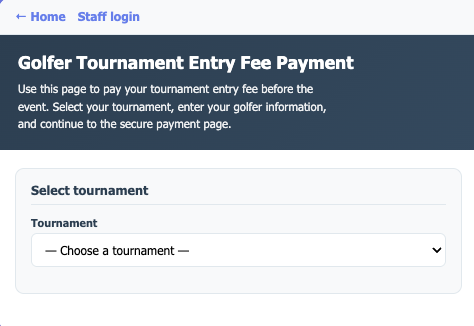
Players appreciate a simple registration process. The registration process is often the first interaction participants have with your golf tournament, and first impressions matter. A registration experience that is simple, convenient, and professional sets the tone for the entire event. On the other hand, a confusing or time-consuming registration process can discourage potential participants from signing up. Today's golfers expect to register online, complete their payment securely, and receive immediate confirmation that their spot has been reserved. By making registration as easy as possible, you'll increase participation, reduce administrative work, and create a positive experience before the first tee shot is ever hit. When designing your registration process, focus on the following key areas:
Online Registration
Providing online registration allows golfers to sign up whenever it is convenient for them, whether they are at home, in the office, or using a mobile device. Instead of printing forms, writing checks, or mailing paperwork, participants can complete the entire registration process in just a few minutes. Your registration form should request only the information you truly need, such as the player's name, contact information, handicap (if applicable), team members, and any special requests. Keeping the form simple encourages more people to complete the registration rather than abandoning it halfway through. If your tournament includes optional contests, mulligan packages, skins games, or sponsorship opportunities, consider allowing participants to select those options during registration.
Secure Payment Options
Offering secure online payment options provides convenience for participants while helping organizers collect entry fees more efficiently. Most golfers are comfortable paying by credit or debit card and appreciate receiving an immediate receipt for their payment. Using a trusted payment processor gives participants confidence that their personal and financial information is being handled securely. It also eliminates much of the manual work associated with collecting checks, tracking outstanding balances, and processing payments on tournament day. The easier it is for players to pay, the more likely they are to complete their registration without delay.
Confirmation Emails
After a player registers, sending an automatic confirmation email provides reassurance that their registration has been successfully received. A confirmation email should include important information such as the tournament date, course location, check-in time, payment confirmation, and contact information should the participant have questions. As the tournament approaches, consider sending additional reminder emails with updates, pairing information, course rules, weather considerations, parking instructions, and any last-minute announcements. Regular communication helps participants feel informed and prepared while reducing the number of questions your organizing committee receives.
Easy-to-Understand Event Information
Participants should never have to search for basic information about your tournament. Make sure your website, registration page, and promotional materials clearly explain everything golfers need to know before they register. Important details should include the tournament format, entry fee, schedule of events, registration deadline, prize information, contests, dress code, cancellation policy, and what is included with the registration fee. Presenting this information in a clear, organized manner builds confidence and helps participants make informed decisions. The more questions you answer upfront, the smoother your registration process will be.
Key Takeaway
An easy registration process removes barriers that might prevent golfers from participating. By offering online registration, secure payment options, prompt confirmation emails, and clear event information, you create a professional first impression while reducing administrative work for your tournament staff. A well-designed registration process not only increases participation but also helps ensure your tournament begins on a positive note long before players arrive at the golf course. The easier it is to sign up, the more players you're likely to attract.
4. Communicate Often

Keep participants informed before tournament day. Clear and consistent communication is one of the most effective ways to ensure your golf tournament runs smoothly. Participants appreciate knowing exactly what to expect before they arrive at the golf course. Keeping everyone informed reduces confusion, minimizes last-minute questions, and helps create a professional experience from registration through the awards ceremony. Rather than sending a single email a few days before the tournament, consider communicating with participants throughout the planning process. An initial confirmation email, followed by periodic updates as tournament day approaches, keeps everyone engaged and excited about the event. Your communications should include the following important information:
Tournament Schedule
Provide participants with a detailed schedule of the day's events so they know exactly what to expect. Include important milestones such as registration, breakfast (if provided), opening announcements, practice range availability, shotgun start or tee times, lunch or dinner, awards ceremony, and raffle drawings. When golfers understand the schedule in advance, they can plan their day accordingly and arrive prepared. A clear timeline also helps keep the tournament running on schedule and reduces unnecessary delays.
Arrival Time
Encourage players to arrive well before their scheduled starting time. Most tournament organizers recommend arriving at least 45 to 60 minutes early. This gives participants enough time to check in, receive their player packet, purchase raffle tickets or mulligan packages, warm up on the practice facilities, and meet the other members of their foursome. Communicating the recommended arrival time helps avoid late arrivals, rushed registrations, and delays that can affect the entire tournament.
Pairings
Golfers are always eager to know who they will be playing with. Sending pairings several days before the tournament allows participants to coordinate transportation, discuss team strategies, and build excitement for the event. Your pairing information should include player names, cart assignments (if applicable), starting hole or tee time, and any special instructions regarding tournament format. Distributing this information in advance also gives organizers time to correct any errors before tournament day.
Course Rules
Every golf course has its own local rules and tournament policies. Providing these rules before the event helps eliminate confusion once play begins. Be sure to communicate information such as preferred scorecard procedures, pace-of-play expectations, out-of-bounds and hazard rules, cart path restrictions, dress code requirements, cell phone policies, and any local rules unique to the course. When everyone understands the rules beforehand, disputes are minimized and play proceeds more smoothly.
Contest Information
Many golf tournaments include special contests that add excitement and friendly competition throughout the day. Inform participants in advance about contests such as Longest Drive, Closest to the Pin, Longest Putt, Hole-in-One Challenges, Skins Games, Putting Contests, and raffle prize opportunities. Include details about eligibility, contest locations, prizes, and any additional fees required to participate. Building anticipation for these activities increases player engagement and often encourages additional fundraising for charity events.
Weather Updates
Weather conditions can change quickly, making timely communication extremely important. Monitor the forecast in the days leading up to the tournament and notify participants of any significant changes that could affect play. If rain, high winds, or extreme temperatures are expected, let golfers know what to bring, such as rain gear, extra towels, sunscreen, or additional water. If there are changes to the schedule because of weather, communicate those updates as early as possible. Keeping participants informed demonstrates professionalism and helps reduce uncertainty.
Key Takeaway
Frequent communication helps create a positive tournament experience long before players arrive at the golf course. By providing participants with the tournament schedule, arrival instructions, pairings, course rules, contest information, and weather updates, you eliminate uncertainty and allow golfers to focus on enjoying the event. Well-informed participants are more relaxed, better prepared, and more likely to leave with a positive impression of your tournament. Good communication reduces confusion and improves the player experience.
5. Keep Play Moving

One of the biggest complaints at golf tournaments is slow play. One of the most common complaints golfers have about tournaments is slow play. A round that stretches well beyond five hours can leave participants frustrated, tired, and less likely to return the following year. Keeping the tournament moving at a steady pace benefits everyone—from the players on the course to the golf course staff and volunteers working behind the scenes. While some delays are unavoidable, proper planning and proactive course management can significantly improve the pace of play. Establishing clear expectations before the tournament begins and actively monitoring play throughout the day helps ensure that every group enjoys a smooth and timely round. Focus on the following strategies to maintain an efficient pace of play:
Clearly Explaining Pace-of-Play Expectations
One of the easiest ways to prevent slow play is to communicate your expectations before golfers ever reach the first tee. During the pre-tournament announcements, explain the expected pace of play and remind participants that the goal is for every group to keep up with the group in front of them—not simply stay ahead of the group behind them. Encourage players to be prepared when it is their turn to hit, limit the time spent searching for lost golf balls, and move promptly between holes. Providing these reminders in advance helps establish a common understanding among all participants and reduces delays throughout the day.
Positioning Volunteers on the Course
Volunteers play a valuable role in helping the tournament stay on schedule. Assign volunteers to strategic locations throughout the course, particularly on challenging holes where delays are more likely to occur. Course volunteers can assist by directing players, answering questions, monitoring contest holes, and identifying groups that may be falling behind. They also serve as an additional point of communication between tournament organizers and participants if issues arise during the round. Well-trained volunteers help keep the tournament organized while allowing golfers to focus on enjoying their day.
Using Ready Golf When Appropriate
For most charity outings, corporate tournaments, and recreational events, encouraging "Ready Golf" can dramatically improve the pace of play. Rather than strictly following the traditional honor system, Ready Golf allows the player who is prepared to safely play first to take their shot. Players can begin preparing for their next shot while others are hitting, walk directly to their own golf ball when safe to do so, and complete short putts when appropriate instead of marking every ball. These small adjustments can save several minutes on every hole without affecting the enjoyment or integrity of the competition. If your tournament follows official competition rules or includes championship-level play, be sure to communicate whether Ready Golf is appropriate for your event.
Monitoring Groups That Fall Behind
Even with careful planning, some groups will inevitably begin to lose pace. Assign tournament marshals or course officials to monitor the spacing between groups throughout the day. Rather than waiting until delays become severe, address pace-of-play issues early. When a group begins falling behind, a friendly reminder is often all that is needed to help them regain their position on the course. Marshals can also identify the cause of delays, whether it's excessive ball searches, slow decision-making, rules questions, or backups created by difficult holes. Early intervention prevents one slow group from affecting every group behind them and helps the entire tournament finish on time.
Key Takeaway
A well-paced tournament creates a better experience for everyone involved. By setting clear pace-of-play expectations, placing knowledgeable volunteers throughout the course, encouraging Ready Golf when appropriate, and monitoring groups that begin to fall behind, organizers can reduce unnecessary delays and keep the event running smoothly. Players appreciate a tournament that finishes on schedule, allowing them to enjoy the awards ceremony, socialize with fellow golfers, and leave with positive memories of the day. A tournament that finishes on time leaves players with a much better impression.
6. Use Tournament Software for Scoring
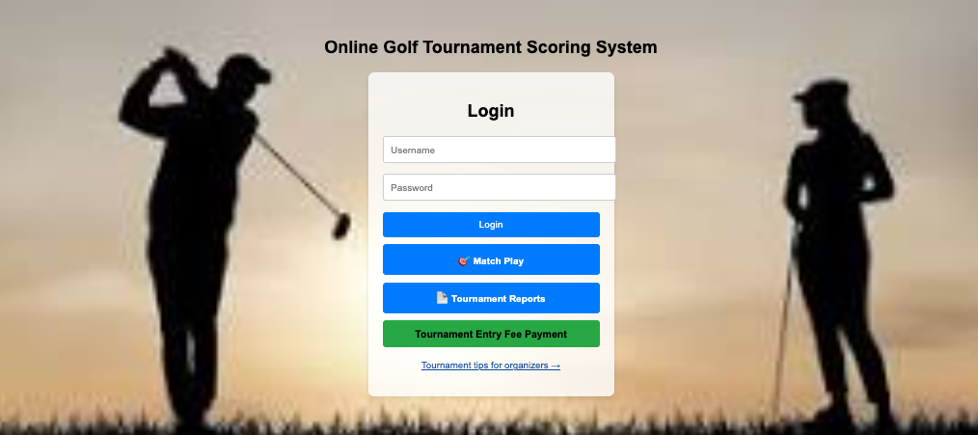
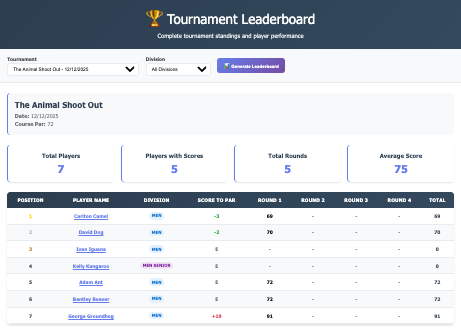
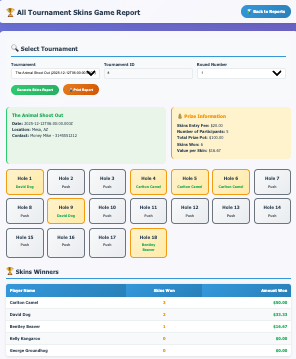
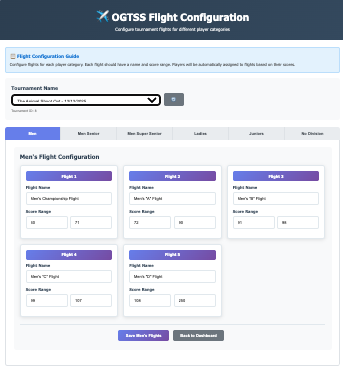
Manual scoring takes time and often leads to mistakes. The days of manually calculating scores with paper scorecards, calculators, and spreadsheets are quickly becoming a thing of the past. Modern golf tournaments benefit greatly from tournament scoring software that automates many of the tasks that once required hours of manual work. Whether you're organizing a small charity golf tournament with 40 players or a multi-day championship with hundreds of participants, tournament scoring software can improve accuracy, save time, and create a more enjoyable experience for everyone involved. Instead of spending hours verifying scorecards and calculating results, tournament organizers can focus on interacting with participants, recognizing sponsors, and ensuring the event runs smoothly. A quality tournament scoring system should provide the following capabilities:
Calculate Scores Instantly
One of the greatest advantages of tournament scoring software is its ability to calculate scores automatically as they are entered. Gross scores, net scores, team totals, Stableford points, and other tournament formats can all be calculated in real time without the need for manual calculations. Automatic scoring greatly reduces the possibility of mathematical errors while eliminating the long wait that often occurs after the final group finishes. Participants appreciate receiving accurate results quickly, allowing the awards ceremony to begin sooner.
Display Live Leaderboards
Today's golfers enjoy following the competition as it unfolds. Live leaderboards allow players, spectators, sponsors, and tournament officials to monitor standings throughout the day. As scores are entered, the leaderboard updates automatically, creating excitement and friendly competition among participants. Players can see how they compare with the rest of the field without waiting until the end of the tournament. Live scoring also adds a professional touch that enhances the overall tournament experience.
Track Skins Games
Managing skins games manually can be one of the most time-consuming aspects of tournament scoring. Determining who won each hole, identifying ties, and calculating payouts often requires careful review of every scorecard. Tournament scoring software automates this entire process by evaluating scores hole by hole and instantly determining skins winners according to the rules established for the event. Whether your tournament offers overall skins, division skins, flight skins, or split skins, automated calculations eliminate errors while saving valuable time.
Calculate Flights
Many tournaments divide participants into flights based on handicap, age, skill level, or other criteria. Calculating flight assignments and determining winners within each flight can become complicated, especially as the number of participants increases. Tournament software automatically places players into the appropriate flights and calculates standings independently for each group. This ensures accurate competition among golfers of similar ability while eliminating the need for organizers to manually sort results.
Manage Handicaps
Accurate handicap management is essential for fair competition. Tournament scoring software can calculate course handicaps using course rating and slope information while applying the tournament's handicap allowance rules automatically. By eliminating manual handicap calculations, organizers reduce errors and ensure that every participant competes under the same set of rules. This creates a fair and transparent tournament for golfers of all skill levels.
Produce Professional Reports
Once scoring is complete, organizers often need to produce a variety of reports for participants, sponsors, and golf course staff. Tournament scoring software can generate professional reports in just seconds. Common reports include final standings, flight results, skins winners, prize payouts, team results, scorecards, hole-by-hole scoring summaries, handicap reports, and statistical summaries. Professionally formatted reports not only save time but also leave participants with a positive impression of the tournament's organization and professionalism.
Key Takeaway
Tournament scoring software has transformed the way golf tournaments are managed. By automating score calculations, displaying live leaderboards, managing handicaps, tracking skins games, calculating flights, and producing professional reports, organizers can spend less time performing manual calculations and more time creating an outstanding experience for their participants. At Cipher Station LLC, we developed the Online Golf Tournament Scoring System (OGTSS) with these goals in mind. OGTSS helps tournament organizers simplify scoring, improve accuracy, and deliver a professional tournament experience that players, sponsors, and golf courses will appreciate. Automating scoring allows organizers to spend more time with participants instead of calculating scores.
7. Offer Fun Contests

Adding contests keeps players engaged throughout the day.
While every golfer enjoys a friendly round of competition, adding special contests throughout your tournament creates excitement, encourages participation, and gives players of all skill levels additional opportunities to win prizes. Fun contests help make your event memorable by keeping participants engaged from the first tee to the final putt. Many golfers may not finish near the top of the golf tournament leaderboard, but they still enjoy the chance to compete in contests that reward a single great shot or an outstanding performance on a particular hole. These activities also provide excellent sponsorship opportunities, as local businesses are often willing to sponsor individual contests and donate prizes.
Longest Drive
The Longest Drive contest is one of the most anticipated events in any golf tournament. Typically held on a wide, straight par-5 or long par-4 hole, participants compete to hit the longest tee shot that remains in the fairway. This contest rewards both power and accuracy, making it exciting for players and spectators alike. To ensure fairness, establish clear rules before play begins, including eligibility requirements such as remaining in the fairway and specifying whether separate competitions will be held for men, women, seniors, or other divisions. Clearly mark the winning drive during the tournament so players can see if they have taken the lead.
Closest to the Pin
The Closest to the Pin contest is a favorite because every golfer has an opportunity to win, regardless of their overall score. Usually played on a par-3 hole, participants attempt to hit their tee shot as close to the flagstick as possible. Place a contest marker near the green so volunteers can record the leading distance throughout the day. Offering attractive prizes for this contest often increases player excitement, as one well-struck shot can earn a memorable award.
Longest Putt
The Longest Putt contest recognizes golfers who sink an exceptionally long putt during their round. Unlike power-based contests, this challenge rewards precision, patience, and a little bit of luck. Typically held on a designated green, only putts made in a single stroke qualify for the contest. Volunteers should measure and record each qualifying putt, updating the leaderboard as longer putts are made throughout the day. This contest keeps players engaged even after reaching the green.
Hole-in-One Challenge
Nothing generates excitement quite like the possibility of making a hole-in-one. Designating one or more par-3 holes for a Hole-in-One Challenge gives every participant a chance to win an extraordinary prize. Prizes often include automobiles, cash awards, luxury vacations, golf equipment, or other high-value items donated or sponsored by local businesses. Because these prizes are significant, tournament organizers should coordinate with sponsors and insurance providers to ensure all contest requirements are properly met. Even when no one records an ace, the anticipation surrounding the challenge adds energy and excitement to the tournament.
Skins Game
A Skins Game introduces an additional level of competition by rewarding golfers who win individual holes outright with the lowest score. If multiple players tie for the lowest score on a hole, the skin carries over to the next hole until a single winner is determined, depending on the tournament's rules. Because every hole presents a new opportunity to win, players remain engaged throughout the entire round, even if they are no longer competing for the overall championship. Many tournaments offer separate skins competitions for different divisions or flights, giving golfers a fair chance to compete against players of similar ability.
Beat the Pro
A Beat the Pro contest offers participants the opportunity to test their skills against one of the golf course's teaching professionals or top players. On a designated hole—typically a par 3—the golf professional hits the first tee shot. Players then attempt to hit their ball closer to the hole than the professional's shot. Golfers who successfully "beat the pro" may receive prizes such as golf merchandise, free rounds of golf, gift certificates, or other sponsor-donated items. This contest creates a fun, interactive experience while showcasing the talent of the golf course's professional staff. It also encourages conversation and camaraderie between participants and the course professionals.
Key Takeaway
Adding fun contests transforms a golf tournament from simply a round of golf into a memorable event filled with excitement and friendly competition. Contests such as Longest Drive, Closest to the Pin, Longest Putt, Hole-in-One Challenges, Skins Games, and Beat the Pro give every participant something to look forward to, regardless of their overall score. These activities not only increase player enjoyment but also create additional sponsorship opportunities and help ensure golfers leave looking forward to next year's tournament. These contests create excitement for golfers of every skill level.
8. Recognize Your Sponsors

Sponsors help make tournaments possible. Sponsors are the financial backbone of many successful golf tournaments. Their support helps offset tournament expenses, fund charitable causes, provide prizes, and enhance the overall experience for participants. Whether your tournament benefits a local charity, civic organization, or corporate event, showing appreciation to your sponsors is essential. Recognizing sponsors isn't simply about saying "thank you." It's about demonstrating the value they receive for supporting your event. When sponsors feel appreciated and see a positive return on their investment, they are much more likely to support your tournament again in the future. Here are several effective ways to recognize your sponsors throughout your tournament:
Displaying Sponsor Signs
One of the most visible ways to recognize sponsors is by placing professionally designed signs throughout the golf course. Hole sponsorship signs are especially popular because every participant passes each sponsored hole during the round. Additional signage can be placed at the clubhouse entrance, registration area, practice facilities, banquet room, and contest locations. Make sure sponsor signs are attractive, easy to read, and positioned where golfers can clearly see them. High-quality signage reflects positively on both your tournament and the sponsoring business while giving sponsors the exposure they expect for their investment.
Mentioning Sponsors During Announcements
Tournament announcements provide an excellent opportunity to publicly recognize sponsors. During the opening welcome, introduce your major sponsors and briefly explain how their support contributes to the success of the event. If appropriate, mention specific sponsors before contests, meals, or special activities they have sponsored. Keep the acknowledgments sincere and professional. Rather than simply reading a list of names, briefly highlight the businesses and encourage participants to support them whenever possible. Personal recognition helps sponsors feel like valued partners instead of simply financial contributors.
Including Logos on Printed Materials
Printed tournament materials provide lasting visibility for sponsors throughout the event. Include sponsor logos on items such as tournament programs, scorecards, rule sheets, player information packets, cart signs, event banners, and awards ceremony programs. When designing these materials, ensure sponsor logos are displayed clearly and proportionally. Offering different logo sizes based on sponsorship levels can also provide additional value for premium sponsors while encouraging businesses to consider higher sponsorship packages in future tournaments.
Posting Recognition on Social Media
Social media extends sponsor recognition well beyond tournament day. Before the event, introduce your sponsors by highlighting their businesses and thanking them for supporting the tournament. During the event, share photos of sponsored holes, contest winners, and activities featuring sponsor signage. After the tournament, post a final thank-you message recognizing everyone who helped make the event a success. Encourage participants to like, comment on, and share these posts, increasing exposure for your sponsors while also promoting next year's tournament. Many sponsors appreciate the additional online visibility as much as the recognition they receive on the golf course.
Thanking Them During the Awards Ceremony
The awards ceremony is the perfect time to publicly express your appreciation to your sponsors. Before presenting trophies or prizes, take a few moments to recognize the businesses and organizations whose generosity helped make the tournament possible. If sponsor representatives are present, invite them to stand and be recognized by the participants. Consider presenting major sponsors with a framed certificate, plaque, or commemorative gift as a token of appreciation. This public acknowledgment demonstrates your gratitude while reinforcing the importance of their partnership.
Key Takeaway
Sponsors play a vital role in the success of any golf tournament, and recognizing their contributions should be a priority throughout the event. By displaying sponsor signs, acknowledging sponsors during announcements, featuring their logos on printed materials, promoting them on social media, and publicly thanking them during the awards ceremony, you create meaningful value for their investment. Sponsors who feel appreciated are far more likely to support your future tournaments, helping your event grow stronger year after year. Happy sponsors are much more likely to return next year.
9. Make Awards Fast and Fun

After golf, players don't want to wait an hour for results. The awards ceremony is the grand finale of your golf tournament and the last impression participants will take home. A well-organized ceremony leaves golfers feeling appreciated, celebrates outstanding performances, and brings the event to a memorable conclusion. On the other hand, a ceremony that is delayed by lengthy score calculations or poor organization can quickly diminish the excitement built throughout the day. The key to a successful awards presentation is preparation. Final scores should be verified promptly, prizes organized in advance, and a master schedule prepared so the ceremony flows smoothly. Most golfers are ready to celebrate the winners, enjoy a meal, and head home without unnecessary delays. An effective awards ceremony should include the following:
- Announce winners
- Award prizes
- Thank sponsors
- Recognize volunteers
Announce Winners
The highlight of every awards ceremony is recognizing the golfers who earned top honors during the tournament. Begin by announcing the winners of the various competitions, such as overall champions, flight winners, team champions, and special contest winners. Present the results in an organized manner so participants can easily follow the progression of awards. Adding a brief comment about each competition or congratulating winners for their accomplishments helps create a more personal and enjoyable atmosphere. Displaying the final leaderboard on a screen or printed report also allows participants to see the complete tournament results while celebrating the achievements of the winners.
Award Prizes
Presenting prizes should be an exciting and enjoyable experience for everyone involved. Organize prizes in advance so they can be distributed efficiently without unnecessary delays or confusion. Whether you're awarding trophies, plaques, gift certificates, golf equipment, cash prizes, or sponsor-donated merchandise, having everything clearly labeled and ready to present helps the ceremony move at a comfortable pace. If your tournament includes special contests such as Longest Drive, Closest to the Pin, Longest Putt, Hole-in-One Challenges, or Skins Games, recognize those winners before presenting the major tournament awards. A well-paced prize presentation keeps participants engaged and builds anticipation throughout the ceremony.
Thank Sponsors
Before concluding the awards presentation, take time to sincerely thank the sponsors whose generosity helped make the tournament possible. Their financial support, donated prizes, and promotional efforts contribute significantly to the success of the event. Recognize your title sponsor first, followed by other sponsors according to their level of participation. If sponsor representatives are present, invite them to stand and receive applause from the participants. Public appreciation not only acknowledges their contribution but also strengthens relationships that can lead to continued support in future tournaments.
Recognize Volunteers
Behind every successful golf tournament is a dedicated team of volunteers who donate their time and energy to ensure everything runs smoothly. From registration and scorekeeping to contest monitoring, player assistance, and event setup, volunteers perform countless tasks that often go unnoticed. Take a few moments during the awards ceremony to recognize their hard work and commitment. Invite volunteers to stand, acknowledge their contributions, and encourage participants to join you in thanking them with a round of applause. A simple gesture of appreciation goes a long way toward making volunteers feel valued and increases the likelihood that they will return to help at future tournaments.
Key Takeaway
A well-organized awards ceremony provides the perfect ending to a successful golf tournament. By promptly announcing winners, efficiently awarding prizes, sincerely thanking sponsors, and recognizing the dedicated volunteers who made the event possible, you leave participants with a positive and lasting impression. A fast, enjoyable awards presentation not only celebrates the day's accomplishments but also encourages golfers, sponsors, and volunteers to look forward to returning for your next tournament. A smooth awards ceremony leaves everyone with a positive final impression.
10. Gather Feedback
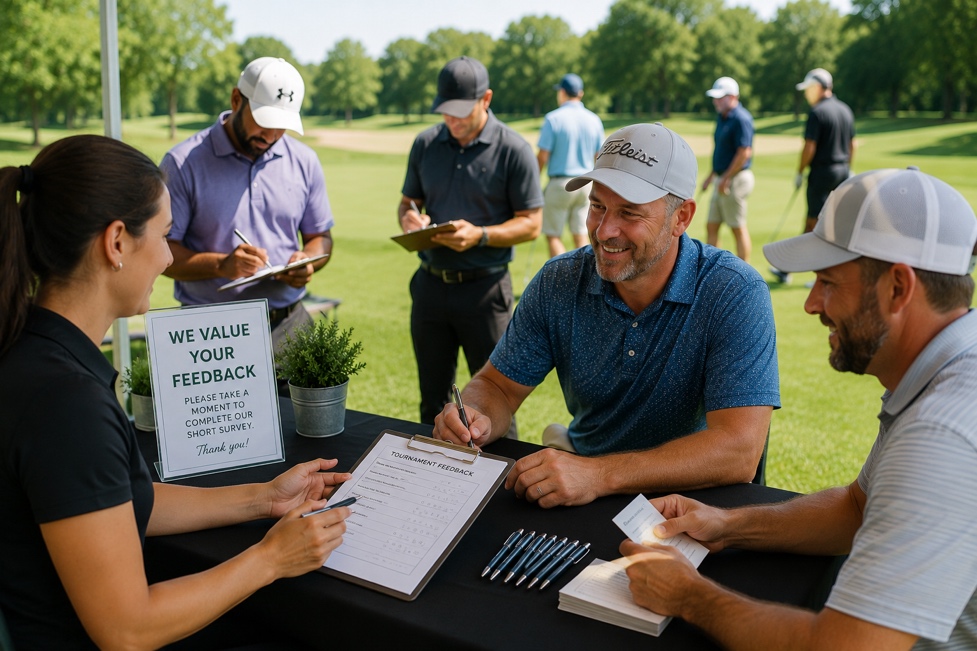
Every tournament can improve. Your golf tournament may be over, but one of the most valuable parts of the planning process is just beginning. Gathering feedback from participants provides valuable insight into what your tournament did well and where improvements can be made. Every tournament offers opportunities to learn, and the opinions of your golfers can help you create an even better event next year. The best time to request feedback is within a few days after the tournament, while the experience is still fresh in participants' minds. A short online survey or email questionnaire is often all that's needed to collect meaningful responses. Keeping the survey brief encourages more golfers to participate while still providing organizers with valuable information. Consider asking participants the following questions:
What Did You Enjoy Most?
Begin your survey by asking participants what they enjoyed most about the tournament. This open-ended question helps identify the strengths of your event and reveals what aspects made the greatest impression on your golfers. Some participants may praise the golf course, while others may mention the tournament organization, contests, food, pace of play, or awards ceremony. Understanding what players value most allows you to preserve those successful elements and continue building on them in future tournaments.
What Could Be Improved?
No tournament is perfect, and constructive criticism is one of your most valuable planning tools. Encourage participants to share honest suggestions about areas that could be improved. They may identify issues that organizers didn't notice, such as registration delays, slow play, unclear signage, food service concerns, or communication problems. Accept feedback with an open mind and view it as an opportunity to make your tournament even stronger. Small improvements made each year often lead to a significantly better experience over time.
Was Registration Easy?
The registration process sets the tone for the entire tournament, so it's important to know whether participants found it simple and convenient. Ask golfers if registering online was straightforward, whether payment options worked smoothly, and if they received the information they needed before tournament day. If participants experienced confusion or technical difficulties during registration, addressing those issues before your next tournament can improve participation and reduce administrative work for your organizing committee.
Were the Contests Enjoyable?
Special contests are designed to increase excitement and create memorable experiences, but it's important to know whether participants felt they added value to the tournament. Ask golfers which contests they enjoyed most and whether they would like to see additional contests offered in future events. Feedback may also reveal ideas for new activities, improved prize selections, or better placement of contest holes. By listening to participant suggestions, you can continue refining the entertainment value of your tournament year after year.
Would You Participate Again?
Perhaps the most important question you can ask is whether participants would return for your next tournament. Their answer provides a strong indication of the overall success of your event. If participants enthusiastically say "yes," you've likely created an enjoyable experience that encourages repeat participation. If responses are mixed or hesitant, use the feedback you've collected to identify areas for improvement. You may also wish to ask participants what additional changes would make them even more likely to return or recommend the tournament to friends and coworkers.
Key Takeaway
Participant feedback is one of the most valuable resources available to tournament organizers. By asking what golfers enjoyed most, identifying areas for improvement, evaluating the registration process, measuring the success of your contests, and learning whether participants plan to return, you gain valuable insights that can help make each tournament better than the last. Organizations that actively listen to their participants and continuously improve their events build stronger reputations, attract more sponsors, and create golf tournaments that players look forward to attending year after year. Their feedback can make next year's tournament even better.
Final Thoughts
A successful golf tournament isn't just about great golf—it's about creating a memorable experience for everyone involved. With careful planning, clear communication, efficient scoring, and attention to detail, your tournament can become an event that players look forward to every year. Whether you're hosting your first tournament or your fiftieth, these ten tips can help ensure your event runs smoothly from the opening tee shot to the final awards presentation.
About Cipher Station LLC
At Cipher Station LLC, we developed OGTSS (Online Golf Tournament Scoring System) to simplify every aspect of golf tournament management. From player registration and live golf scoring to leaderboards, flights, skins games, and professional reports, OGTSS helps tournament organizers spend less time managing paperwork and more time creating an outstanding experience for their players. Planning a golf tournament? Visit www.cipherstation.com to download our free Golf Tournament Checklist. It will help you stay organized, avoid overlooking important details, and keep every stage of your tournament on track.